
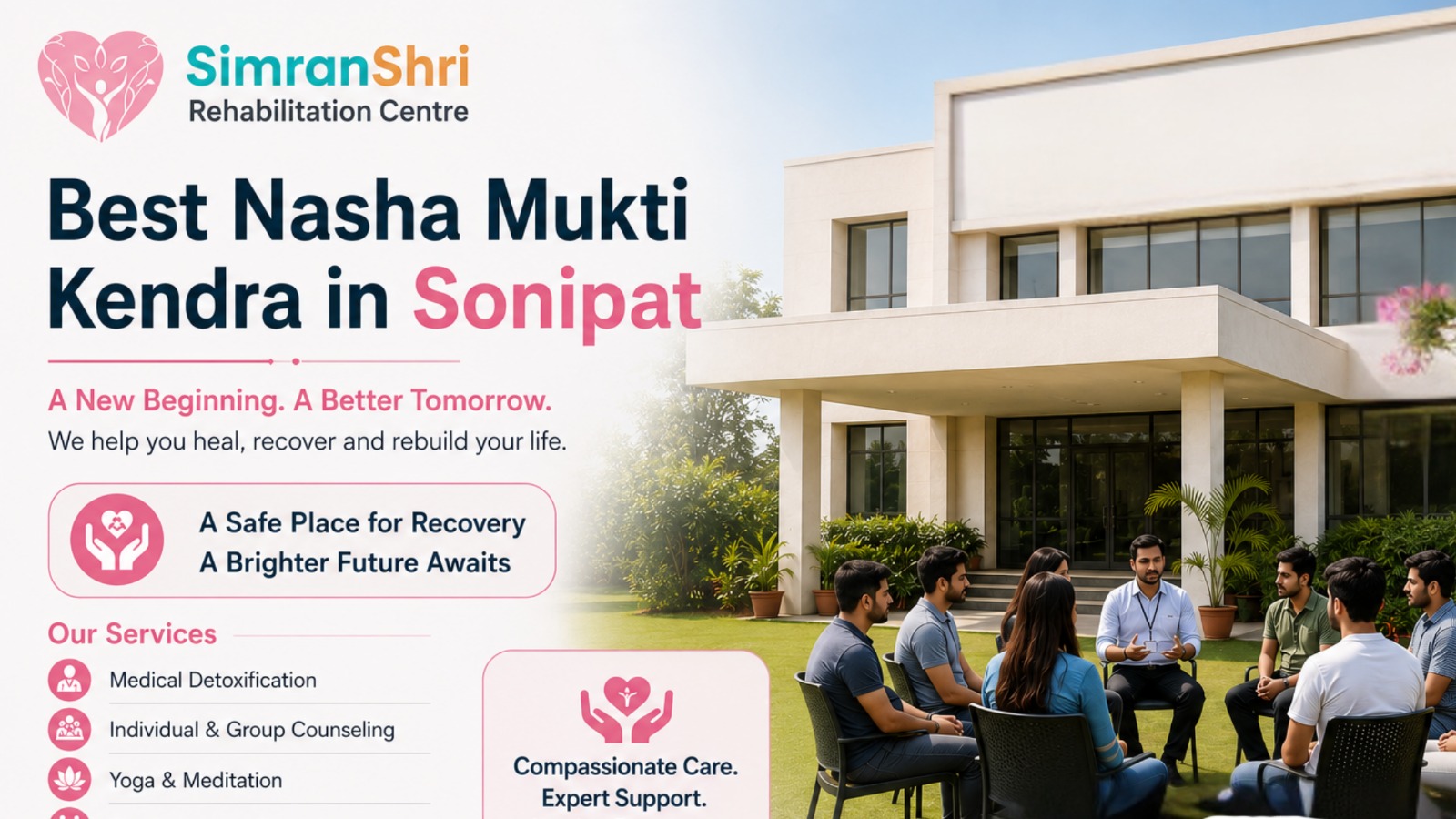
If you are searching for a reliable Nasha Mukti Kendra in Sonipat, choosing a rehabilitation centre that provides evidence-based treatment, personalised care, and long-term recovery support is essential. Addiction affects physical health, emotional well-being, relationships, and overall quality of life. At SimranShri, our rehabilitation approach focuses on identifying the root causes of addiction, supporting safe recovery, and helping individuals rebuild a healthier future through structured treatment, counselling, family involvement, and relapse prevention strategies.
Recovery is not simply about stopping substance use—it is about restoring confidence, improving mental wellness, strengthening family relationships, and developing healthy habits that support a drug-free and alcohol-free life.
A professional rehabilitation centre should offer more than detoxification. It should provide comprehensive treatment that addresses the physical, emotional, behavioural, and psychological aspects of addiction while supporting long-term recovery.
At SimranShri, every patient receives an individual treatment plan instead of a standard programme. Our rehabilitation process is designed around the patient's medical condition, addiction history, emotional health, family background, and recovery goals. This personalized approach improves engagement, supports sustainable recovery, and helps individuals regain control over their lives.
Our team believes that every recovery journey is unique. Some individuals require greater emotional support, while others benefit from intensive counselling, behavioural therapy, or structured rehabilitation. By understanding each patient's circumstances, we create a treatment experience that focuses on long-term healing rather than temporary improvement.
Patients and families also receive continuous guidance throughout the rehabilitation journey. From admission to aftercare planning, our focus remains on creating a supportive environment where individuals can recover with dignity, confidence, and hope.
Anyone whose alcohol or drug use is affecting their health, behaviour, work, education, relationships, or emotional well-being should consider professional rehabilitation. Early intervention often leads to better recovery outcomes than delaying treatment.
Many people believe addiction can be controlled through willpower alone. However, substance dependence changes the way the brain responds to stress, emotions, and rewards, making it increasingly difficult to stop without professional support.
You should seek professional help if you or your loved one experiences:
Repeated unsuccessful attempts to quit
Strong cravings throughout the day
Withdrawal symptoms after stopping substance use
Increased tolerance requiring larger amounts
Neglect of family or work responsibilities
Financial or legal problems due to addiction
Depression, anxiety, or emotional instability
Loss of interest in everyday activities
Isolation from friends and family
Physical health problems related to substance use
Seeking help early can significantly improve both recovery success and overall quality of life.
Addiction is a chronic condition that affects brain function, behaviour, and emotional health. It is not simply a lack of self-control, which is why professional treatment often produces better outcomes than attempting recovery alone.
Whether the addiction involves alcohol, opioids, prescription medicines, cannabis, synthetic drugs, or other substances, the underlying challenges often extend beyond physical dependence. Emotional stress, unresolved trauma, social influences, mental health conditions, and lifestyle factors can all contribute to continued substance use.
The Effective Rehabilitation centre in Hapur focuses on identifying these contributing factors while helping patients develop healthier coping mechanisms through counselling, structured therapy, education, and lifestyle changes.
At SimranShri, our goal is not only to help patients stop using substances but also to equip them with the knowledge and confidence required to maintain recovery long after rehabilitation is complete.
Successful addiction treatment requires personalised care, evidence-based therapies, family involvement, and continuous recovery planning rather than a one-size-fits-all programme.
Every individual entering our Nasha Mukti Kendra in Sonipat receives a comprehensive assessment before treatment begins. This allows our rehabilitation team to understand:
The type of addiction
Duration and severity of substance use
Physical and mental health status
Previous treatment history
Family support system
Personal recovery goals
Lifestyle and behavioural patterns
Using this information, we develop an individual recovery plan that evolves as the patient progresses through rehabilitation.
Instead of focusing only on short-term abstinence, our programme aims to build resilience, emotional stability, healthier relationships, and practical life skills that support lasting recovery.
Recognising addiction early can prevent serious physical, emotional, and social consequences.
Some common warning signs include:
Frequent fatigue
Changes in appetite
Sleep disturbances
Poor personal hygiene
Unexplained weight changes
Declining overall health
Secretive behaviour
Mood swings
Irritability
Loss of motivation
Poor concentration
Increased risk-taking
Family conflicts
Relationship breakdown
Reduced work performance
Financial difficulties
Social withdrawal
Loss of trust
If several of these signs are present, seeking professional guidance from a trusted Nasha Mukti Kendra in Greater Noida can be an important step toward recovery.
Healing is easier when individuals are surrounded by compassionate professionals, structured routines, and a positive atmosphere. A supportive rehabilitation environment reduces distractions, encourages healthy habits, and allows patients to focus on recovery without external pressures.
At SimranShri, we emphasise respect, confidentiality, discipline, and emotional support throughout every stage of treatment. Patients are encouraged to participate in counselling sessions, wellness activities, and recovery-focused programmes that strengthen both physical and psychological well-being.
Families looking beyond Sonipat can also explore our rehabilitation services through our Nasha Mukti Kendra in Delhi NCR, where we follow the same evidence-based, patient-centred approach to addiction recovery.
A successful de-addiction programme combines medical evaluation, psychological counselling, behavioural therapy, family support, relapse prevention, and aftercare planning. Treating only the physical symptoms is not enough; long-term recovery requires addressing the emotional and behavioural causes of addiction as well.
At SimranShri, our rehabilitation process is designed to support patients through every stage of recovery. From the first consultation to post-treatment guidance, every step focuses on helping individuals regain physical health, emotional balance, and confidence to live a substance-free life.
If you are considering a Nasha Mukti Kendra in Sonipat, understanding the treatment journey can help you make an informed decision for yourself or your loved one.
Every patient begins with a detailed assessment so the treatment plan is based on individual needs rather than assumptions.
Recovery starts by understanding the complete picture of a patient's health and addiction history. Our team carefully evaluates:
Type of substance used
Duration and frequency of addiction
Physical health condition
Emotional and psychological well-being
Family environment
Previous treatment attempts
Lifestyle and daily routine
This assessment allows us to create a personalised rehabilitation plan that addresses both immediate concerns and long-term recovery goals.
Detoxification helps the body eliminate addictive substances under professional supervision, creating a safer foundation for further rehabilitation.
Depending on the substance involved, withdrawal symptoms may range from mild discomfort to severe physical and emotional challenges. Professional monitoring helps manage these symptoms safely while preparing patients for the next stages of treatment.
It is important to understand that detoxification alone is not a complete solution. Sustainable recovery requires counselling, therapy, behavioural changes, and continued support after detox.
One-to-one counselling helps patients understand why addiction developed and teaches healthier ways to manage emotions, stress, and life challenges.
Every counselling session is confidential and focused on the patient's personal experiences. Instead of judging past behaviour, our therapists help individuals:
Recognise addiction triggers
Improve emotional regulation
Build healthier coping mechanisms
Develop self-confidence
Strengthen decision-making skills
Set realistic recovery goals
Counselling empowers patients to create lasting behavioural changes that support long-term sobriety.
Group therapy creates a supportive environment where individuals learn from shared experiences and realise they are not alone in their recovery journey.
Patients often discover that listening to others who have faced similar struggles reduces feelings of isolation and builds motivation. Group sessions encourage:
Open communication
Emotional support
Accountability
Positive reinforcement
Healthy social interaction
Confidence building
Peer support becomes an important source of encouragement throughout rehabilitation.
Addiction affects the entire family, which is why involving loved ones in the recovery process often improves long-term outcomes.
Family counselling helps relatives understand addiction as a medical and behavioural condition rather than a personal failure. These sessions focus on:
Rebuilding trust
Improving communication
Managing expectations
Creating a supportive home environment
Encouraging healthy boundaries
When families actively participate, patients often feel more motivated to maintain recovery after rehabilitation.
Relapse prevention prepares patients to handle real-life challenges after rehabilitation and significantly improves the chances of maintaining long-term recovery.
Before completing treatment, every patient works with the rehabilitation team to develop a personalised recovery plan that may include:
Identifying personal triggers
Managing stress effectively
Maintaining healthy routines
Continuing counselling when needed
Rebuilding social and family relationships
Setting achievable life goals
This proactive approach helps patients transition confidently into everyday life while reducing the risk of returning to substance use.
For individuals searching for a dependable Nasha Mukti Kendra in Sonipat, a strong aftercare and relapse prevention programme is one of the most valuable aspects of quality rehabilitation.
Effective addiction treatment combines multiple therapeutic approaches because every patient has different emotional, psychological, and behavioural needs.
Our rehabilitation programmes may include:
Helps patients identify harmful thought patterns and replace them with healthier behaviours.
Encourages individuals to remain committed to recovery by strengthening personal motivation and confidence.
Teaches practical techniques such as relaxation exercises, mindfulness, breathing practices, and healthy lifestyle habits.
Supports patients in rebuilding routines, improving communication, managing responsibilities, and making positive decisions after rehabilitation.
Instead of focusing on symptoms alone, these therapies help individuals create meaningful, long-lasting changes.
A calm, hygienic, and structured environment allows patients to focus on recovery without unnecessary stress or distractions.
SimranShri provides facilities that support both physical comfort and emotional well-being, including:
Comfortable accommodation
Clean and hygienic surroundings
Nutritious meals
Safe drinking water
Structured daily routines
Wellness and recreational activities
Confidential patient care
Compassionate support from trained staff
A positive rehabilitation environment helps individuals regain discipline, confidence, and emotional stability during treatment.
Addiction can affect people in different ways depending on the substance involved. Personalised rehabilitation ensures that treatment addresses each individual's specific challenges.
Our programmes support recovery from:
Helping individuals overcome alcohol dependence through counselling, behavioural support, and long-term recovery planning.
Providing structured rehabilitation for dependence on opioids, heroin, cannabis, synthetic drugs, and other addictive substances.
Supporting patients who have developed dependency on prescribed medicines through supervised rehabilitation and counselling.
Helping individuals break long-term tobacco dependence while improving overall physical and emotional well-being.
Offering integrated rehabilitation plans for individuals affected by more than one addictive substance.
No two people experience addiction in the same way. Factors such as age, health condition, family support, emotional well-being, and addiction history all influence the rehabilitation journey.
This is why SimranShri avoids generic treatment plans. Every patient receives care tailored to their unique circumstances, allowing treatment to evolve as recovery progresses.
Families searching for a trusted Nasha Mukti Kendra in Sonipat often choose personalised rehabilitation because it focuses on sustainable recovery rather than short-term improvement.
If you are also exploring rehabilitation options in nearby regions, you can learn more about our services through our pages for Nasha Mukti Kendra in Faridabad, Nasha Mukti Kendra in Greater Noida, where the same patient-centred treatment philosophy is followed.
Seeking professional help at the early stage of addiction can reduce health risks, improve treatment outcomes, and make the recovery process more manageable. Timely intervention allows individuals to receive the right support before addiction causes long-term physical, emotional, or social consequences.
Many people delay treatment because they believe they can stop using alcohol or drugs whenever they choose. Unfortunately, addiction often becomes stronger over time, making it increasingly difficult to recover without professional guidance. As dependency grows, it may begin affecting sleep, nutrition, relationships, employment, education, financial stability, and emotional health.
Early rehabilitation gives individuals the opportunity to address these challenges before they become more severe. Professional counselling, structured therapy, and ongoing support help patients understand the reasons behind substance dependence while developing healthier coping strategies for the future.
Recovery should never be seen as a sign of weakness. Choosing treatment is a responsible decision that reflects a commitment to better health, stronger relationships, and a more positive future.
For families, recognising the warning signs and encouraging a loved one to seek help at the right time can make a significant difference. Compassion, patience, and access to quality rehabilitation services often play an important role in long-term recovery.
Completing a rehabilitation programme is an important milestone, but maintaining recovery requires continuous effort, healthy routines, and ongoing emotional support.
Life after rehabilitation focuses on applying the skills learned during treatment to everyday situations. Patients are encouraged to follow structured routines, avoid high-risk environments, maintain positive social connections, and continue working towards personal and professional goals.
A successful recovery plan often includes:
Continuing counselling sessions when recommended
Following healthy daily routines
Managing stress through positive activities
Building supportive relationships
Avoiding situations that may trigger substance use
Focusing on education, career, or personal development
Maintaining regular communication with family members
These habits help individuals strengthen their confidence while reducing the likelihood of relapse.
Recovery is a lifelong journey, and every positive decision contributes to long-term well-being. Rather than aiming for perfection, individuals are encouraged to focus on consistent progress and healthy lifestyle choices.
Many families choose a professional Nasha Mukti Kendra in Sonipat because quality rehabilitation extends beyond discharge and includes guidance that supports lasting recovery.
Professional treatment should be considered when substance use begins affecting physical health, emotional well-being, work performance, education, relationships, or daily responsibilities. Withdrawal symptoms, repeated unsuccessful attempts to quit, and increasing dependence are also common indicators that expert rehabilitation may be beneficial.
The duration varies for every individual. It depends on factors such as the type of addiction, severity of dependence, overall health, emotional condition, and treatment progress. After a detailed assessment, an individualised rehabilitation plan is recommended.
Yes. Patient privacy and confidentiality are essential parts of ethical rehabilitation. Personal information, treatment records, and counselling sessions are handled with discretion to create a safe and respectful environment.
Yes. Family involvement is often encouraged because addiction affects everyone in the household. Counselling sessions help improve communication, rebuild trust, and create a stronger support system for recovery after treatment.
Recovery is an ongoing process. While relapse may occur in some situations, it does not mean treatment has failed. Continued counselling, lifestyle improvements, family support, and relapse prevention strategies help individuals remain focused on long-term recovery goals.
No. Individuals experiencing early signs of dependency can also benefit from professional guidance. Seeking treatment before addiction becomes severe often improves recovery outcomes and reduces long-term health risks.
Selecting a rehabilitation centre involves more than comparing facilities. Families want reassurance that their loved one will receive respectful, ethical, and personalised care throughout the recovery journey.
At the De-Addiction centre in noida, treatment is based on understanding each individual's unique circumstances rather than following a standard programme for everyone. Our rehabilitation philosophy focuses on helping patients regain physical health, emotional balance, and confidence through structured care, counselling, behavioural support, and recovery planning.
Patients receive guidance in developing healthier coping mechanisms, rebuilding relationships, and preparing for life after rehabilitation. Families are also supported throughout the process because a positive home environment often contributes to stronger long-term outcomes.
Our commitment is to provide professional rehabilitation that encourages sustainable recovery while treating every individual with dignity, compassion, and respect.
Recovery journeys are different for every individual, which is why personalised treatment remains one of the most important factors in successful rehabilitation. People looking for additional location-specific information can also explore our services through Nasha mukti kendra in south delhi, where we follow the same evidence-based approach while addressing the needs of patients and families seeking professional de-addiction support.
Every recovery journey begins with a single decision—to seek help. Whether addiction has affected your health, family life, career, or emotional well-being, professional rehabilitation can provide the guidance and structure needed to move forward with confidence.
Choosing the right Nasha Mukti Kendra in Sonipat means selecting a centre that values personalised treatment, patient dignity, confidential care, and long-term recovery. At SimranShri, we are committed to helping individuals rebuild their lives through compassionate support, structured rehabilitation, and practical recovery strategies that encourage lasting positive change.
If you are considering treatment for yourself or someone close to you, reaching out today can be the first step toward a healthier, more fulfilling future.
Recovery is not only about overcoming addiction—it is about creating a life where physical health, emotional stability, meaningful relationships, and personal growth become the foundation for a better tomorrow. Individuals and families looking for guidance in nearby regions may also find useful information on our Nasha mukti kendra in hapur page, which highlights the same commitment to ethical rehabilitation, patient-centred care, and long-term recovery planning.